I reversed four hundred metres along a single-track road in Kerry with a hedge on my left and a tractor behind me, and the driver of the tractor waved the whole time, which was somehow worse than if he had shouted. My phone had called this a road. It was a farm access route with a painted line at one end, and I drove onto it because the alternative added eleven minutes.
I plan routes for other people for a living, and Ireland was supposed to be the easy one: nine days, three bases, a loop out of Dublin and back. I did the arithmetic the way I do it for clients, distances first and sights second. The arithmetic was right and the country was not, and I had met that distinction before and still managed to forget it for one holiday.
Where the map was wrong
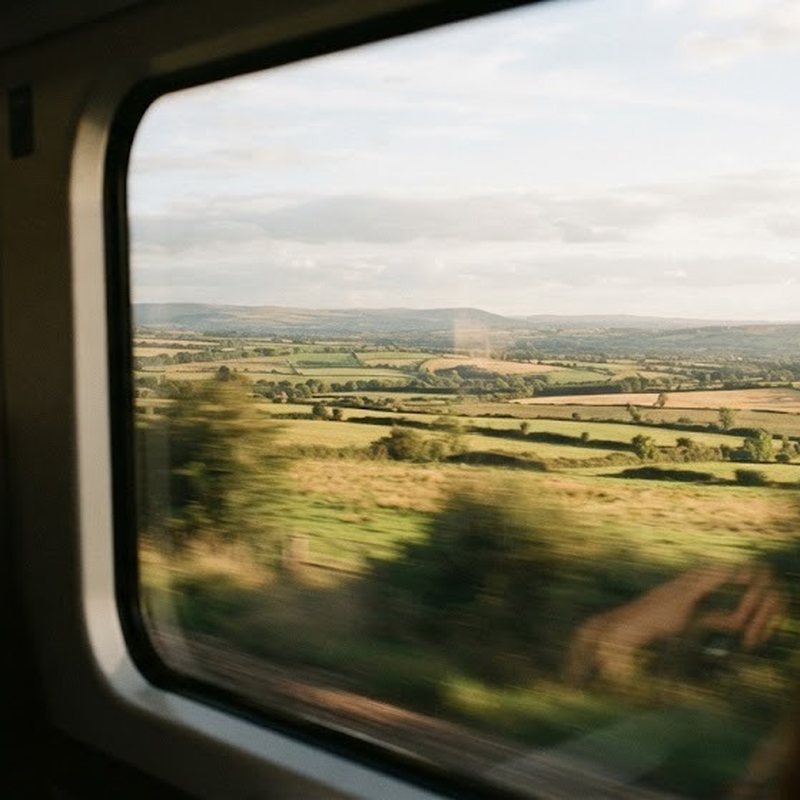
Two hundred and forty kilometres on a screen is a four-hour day on that coast, not the two and a half the screen suggests. The roads are narrow enough that you slow for every car, the villages have one lane where the map shows two, and behind every third bend there is a tractor doing twenty with a line of traffic behind it. I added fifty percent to every figure on day two and stopped being angry on day three.
Petrol follows the same logic. I drove into one town with the low-fuel light on and found the garage closed for lunch between one and two, with a hand-written card in the window and a second garage six kilometres further on, uphill. That is not a hardship, it is a scheduling input, and I now put fuel stops on a route the same way I put trains on one.
What I had not priced at all was school traffic. Between eight forty and nine fifteen, and again around half past three, the roads stack up behind a bus doing twenty-five past a village, and the ten minutes you lose each way is the difference between arriving for lunch and arriving after the kitchens close. I add that now the way I add a border crossing, because both of them stop for somebody else's schedule rather than yours.
The other number people get wrong is the coast road itself. The views that make the drive famous are on the seaward side, which means the driver sees them in the mirror or not at all. My partner photographed nine stretches I only heard about, and by day six I had stopped pretending I would see them and started planning where to stop on purpose.
The hotel I moved on day four
I had booked three bases for the nine nights and argued myself into them over an evening, and by the middle of day four I knew the second base was wrong. It was forty minutes from anything we wanted to do, the dinner options nearby closed at nine, and each round trip cost us the afternoon. We pulled into a petrol station with decent signal and I called the owner of the next hotel on the route.
She could take us two nights early, and the current place agreed to release the two unused nights for a fee of one night, which I paid without negotiating because the arithmetic was obvious: the change cost less than the driving. We arrived at the new hotel at seven with the bags still in the boot and ate dinner in the room, which is the correct response to a day that ends at seven.
What that evening changed was smaller than the money. I stopped treating a booking as a decision I had already made. A hotel is a hypothesis about how the next three nights will go, and by day four I had the evidence to test it.
The ferry that set the week's pace
The sailing we wanted left at 10:45 and the car deck closed ten minutes before that, hard, with no appeals. I read the timetable twice the night before and set an alarm for eight, and we were in the queue at 10:12 with the engine off and time to walk to the cafe for coffee. Behind us a couple arrived at 10:41 with a rental car and were told the same sentence I had read online: the deck closes at 10:35.
The ferry timetable was the one document on the trip that behaved exactly as written, and I built the rest of the week around it. Sight days went on sailing days, driving days went on the days with no crossing, and the two mornings after the crossing were deliberately empty because ferries feed into a coast road that is busy for an hour afterwards. That was the only part of the plan that survived from the first draft unchanged.
Nine days later I handed the car back in Dublin with 1,940 kilometres on the odometer and a notebook full of corrected figures: four hours per 240 km, fuel before one o'clock, ferries booked by phone the night before, and stops placed where the driver can actually see the water. None of those figures came out of a screen, and all of them now sit on the first draft I send a client instead of the third revision I write for myself once the trip has already gone wrong.